Accessibility audits
Manual and automated evaluation mapped to WCAG, with reproducible evidence, severity, user impact, and remediation guidance.
Founder-owned accessibility practice
An independent accessibility consultancy and technology platform owned and operated by Khushwant Parihar in Bengaluru, India.
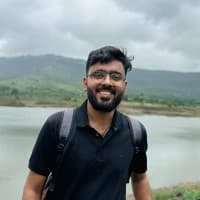
Founder
Accessibility specialist, consultant, and developer
Khushwant founded Accessibility.build in 2023 to combine practical accessibility testing, remediation engineering, and useful public tools in one accountable practice.
He has more than four years of professional accessibility and software testing experience, including accessibility work at FIS Global and current specialist work with product teams. His experience covers manual and automated auditing, keyboard evaluation, screen-reader testing with NVDA, JAWS, and VoiceOver, accessible frontend implementation, and accessibility quality processes. He holds the IAAP Certified Professional in Accessibility Core Competencies (CPACC) and the U.S. Department of Homeland Security Trusted Tester certifications, with additional certifications in accessible web design and usability.
Accessibility.build is intentionally founder-led. Khushwant remains responsible for scoping, delivery quality, client communication, and the accuracy of published business information. Specialist collaborators may support an engagement when agreed with the client; responsibility is not passed to an anonymous delivery team.
What the practice does
Manual and automated evaluation mapped to WCAG, with reproducible evidence, severity, user impact, and remediation guidance.
Keyboard and screen-reader testing across practical browser and assistive-technology combinations selected for the engagement.
Implementation support for semantics, focus management, forms, ARIA patterns, components, and accessibility regression prevention.
Design reviews, acceptance criteria, team training, documentation, and release checks that move accessibility earlier in delivery.
Operating principles